

See the Latest Reviews for AZ Desert Tree Care in Phoenix!
AZ Desert Tree Care • 4 September 2025
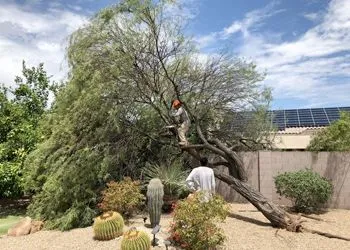
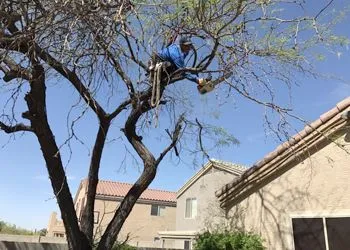
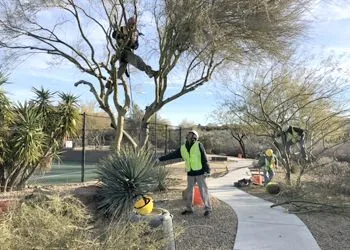
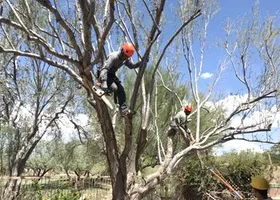
Two tree trimmers in safety helmets cutting branches from a tall tree outdoors.

At AZ Desert Tree Care, we strive to exceed our customers’ expectations by doing top-quality tree work at fair prices, all while providing friendly and timely service. From tree removal to stump grinding to pruning, our local arborists can expertly handle the job. And we appreciate it when our customers offer feedback about the work that we did for them. Here’s a look at some of our latest customer reviews. 


“Juan and his crew did a great job today. I couldn't believe how quickly they did the work after I met with Edward to discuss my tree trimming issues. Very proficient and pleasant to work with. Highly recommended.”

— Charles M.


“Another great job by AZ Desert Tree Care! Have been using this business to care for a huge mesquite, acacia and a Desert Museum tree. Crew is very skilled and I love watching the work high in the trees. Ed the owner and arborist gives his crews specific directions that they follow to a T. I won't let anyone else cut my trees!”

— Laurie H.


“Juan’s crew is always so professional, kind, and leave our property spotless. They put such care into everything. We truly appreciate and trust them 100%. We've been loyal customers since our first family home and will continue to remain loyal customers for many years to come.”

— Elle J.


“Always a pleasure working with AZ Desert Tree Care. I’ve used them for years for projects big and small. Their prices are fair and their teams are extremely efficient. I would totally recommend them when you need trees trimmed or removed.”

— Andy P.


“Juan and his crew always do a thorough job and complete cleanup. We trust them to maintain our mature trees. Our investment has prevented the loss of trees due to winds that our neighbors have experienced. Your trees are energy savers, comfort providers, and add value to your home. Loss of a big tree is too costly to risk.”

— Robert C.


Arborist in Phoenix, AZ

For an experienced arborist in Phoenix and the surrounding area, contact AZ Desert Tree Care at (602) 842-9350. We provide expertise with both residential and commercial tree care in Phoenix. Feel free to give us a call to request an arborist estimate in greater Phoenix, AZ!
by AZ Desert Tree Care 6 June 2026
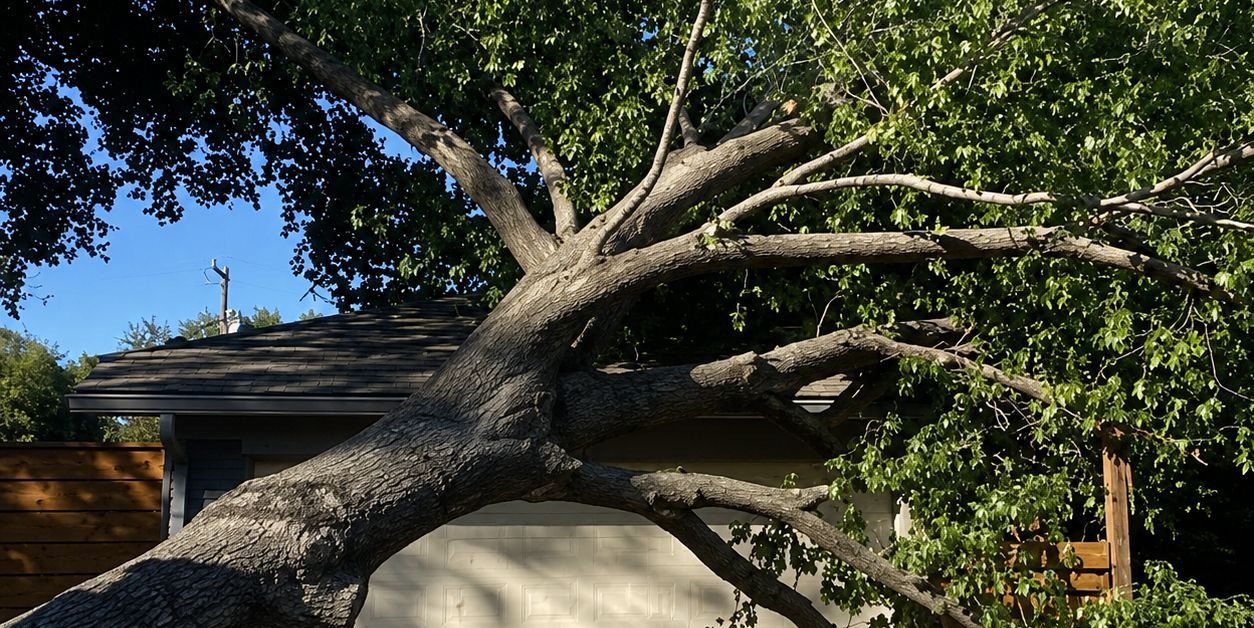
Hazardous trees can pose serious risks to homes, vehicles, utility lines, and personal safety if they are not properly addressed. Storm damage, disease, and decay can all increase the likelihood of a tree or large branch falling suddenly. Because hazardous tree removal often involves complex safety concerns, many property owners have questions about how the process works and when professional help is necessary. At AZ Desert Tree Care, we’re happy to answer your questions about hazardous tree removal in the greater Phoenix, AZ area. What Makes a Tree Hazardous? A tree is generally considered hazardous when it shows signs of structural weakness or instability that increase the risk of failure. Common warning signs include dead branches, deep cracks in the trunk, hollow sections, severe leaning, and root damage. Trees weakened by disease, insect infestations, or storm damage may also become dangerous. A professional can evaluate the condition of a tree and determine whether removal is recommended. Why Should Hazardous Trees Be Removed Quickly? Hazardous trees often become more unstable as time passes, especially during strong winds or heavy rain. Falling branches or collapsing trees can cause major property damage and create serious safety hazards for people nearby. Prompt removal helps reduce risks and prevent emergency situations. Is Hazardous Tree Removal Dangerous? Removing a hazardous tree can be extremely dangerous without proper training and equipment. Damaged or unstable trees may behave unpredictably during the removal process, increasing the risk of falling limbs or sudden collapse. Trees located near homes, fences, vehicles, or power lines require careful planning and specialized removal techniques. Professional tree removal crews have the experience, safety gear, and equipment needed to complete the job safely. Should the Stump Be Removed Too? Many homeowners choose to remove the stump after a hazardous tree is cut down. Leftover stumps can become tripping hazards, interfere with landscaping, and attract pests such as termites and ants. Stump grinding removes the visible portion of the stump below ground level and helps create a cleaner appearance. Where Can I Find Hazardous Tree Removal in Phoenix, AZ? For expert tree removal in Phoenix and the surrounding area, contact AZ Desert Tree Care at  602-842-9350  . Feel free to give us a call to request an arborist estimate in greater Phoenix!
by AZ Desert Tree Care 6 May 2026
Recognizing the early warning signs of a dying tree can help you take action before it becomes a safety hazard or spreads issues to nearby plants. At AZ Desert Tree Care, we can identify dying trees and safely remove them when necessary. If you notice any of the following symptoms, it’s wise to have the tree evaluated by a professional arborist. Sparse/Thinning Foliage Healthy trees typically produce a full canopy of leaves during the growing season. If you notice sections of your tree with sparse or missing foliage, it may indicate that the tree is under stress or struggling to survive. This is especially concerning if the issue persists through multiple seasons or worsens over time. Thinning leaves often signal problems with nutrient uptake, root health, or disease. Dead Branches Branches that are dry, brittle, and easily snap off are a clear sign of decline. While it’s common for trees to shed a few small branches, an increase in dead limbs—especially in the upper canopy—can indicate serious health issues. Dead branches not only reflect poor tree health, but also pose a safety risk if they fall unexpectedly. Peeling or Damaged Bark The bark of a tree serves as a protective layer, and when it begins to peel or fall away, it can be a serious sign of trouble. Large sections of missing bark or deep splits may expose the inner wood, leaving the tree vulnerable to pests and disease. In some cases, damaged bark can indicate internal decay or structural weakness. Fungal Growth Around the Base The presence of fungi growing near the base of a tree often points to internal rot. Fungi thrive on decaying organic matter, so their appearance can mean that the tree’s root system or trunk is deteriorating. This type of decay can significantly weaken the tree, increasing the likelihood of it falling. Leaning A tree that suddenly begins to lean or shows signs of instability should be taken seriously. While some trees naturally grow at an angle, a noticeable shift in position can indicate root damage or structural failure. Cracked soil around the base or exposed roots may further suggest that the tree is no longer securely anchored. Arborist in Phoenix, AZ When you need an experienced arborist in Phoenix and the surrounding area, contact AZ Desert Tree Care at  602-842-9350  . Feel free to give us a call to ask for an arborist estimate in Phoenix, AZ !
by AZ Desert Tree Care 5 April 2026
While tree removal is sometimes a last resort, it’s often necessary to protect people and property. Professional arborists are trained to assess tree conditions and determine when removal is the safest and most appropriate option. At AZ Desert Tree Care, we provide expert tree removal in the greater Phoenix area. Here are four common reasons that trees need to be removed by arborists. Severe Disease or Decay One of the most common reasons for tree removal is advanced disease or internal decay. Trees can be affected by fungal infections and other diseases that weaken their structure over time. In many cases, these issues are not fully visible from the outside. As decay progresses, the tree may become unstable and more likely to fail. When a tree’s health cannot be restored, removal is often the safest solution. Proximity to Structures or Utilities Trees that grow too close to homes, buildings, or utility lines can create hazards. Overhanging branches may damage roofs, siding, or windows, while roots can interfere with foundations and underground pipes. Trees near power lines are particularly dangerous, as they can lead to electrical hazards or outages. In these cases, removal may be necessary to protect both property and safety. Dead/Dying Trees A dead or dying tree is no longer structurally sound and can become unpredictable. Without healthy growth, the tree’s wood becomes brittle and more prone to breaking. Dead trees can shed branches or fall entirely, especially during strong winds. Removing a dead tree promptly helps eliminate a potential hazard. Pest Infestations Certain pests can cause significant damage to trees by feeding on wood or disrupting nutrient flow. Severe infestations can weaken a tree’s internal structure and make it more susceptible to disease. In some cases, removing an infested tree is necessary to prevent the spread of pests to nearby healthy trees. Arborists can assess the severity of the infestation and determine whether removal is the best course of action. Tree Removal in Phoenix, AZ When you need an experienced arborist in Phoenix and the surrounding area, contact AZ Desert Tree Care at  602-842-9350  . We provide expertise with both residential and commercial tree services in Phoenix . Feel free to give us a call to arrange an arborist estimate in Phoenix, AZ !
by AZ Desert Tree Care 7 March 2026
Healthy trees can add beauty and value, but there are times when removal becomes necessary. Many homeowners are unsure about when removal is appropriate and what the process involves. Understanding the basics of professional tree removal can help you make informed, confident choices. At AZ Desert Tree Care, we’re happy to answer your questions about tree removal in the greater Phoenix area. How Do I Know If a Tree Needs to Be Removed? Several warning signs may indicate that tree removal is necessary. A tree that is dead or dying, leaning significantly, or showing large cracks in the trunk could pose a safety risk. Extensive storm damage, hollow sections, or root issues may also compromise structural stability. In some cases, trees growing too close to a home, driveway, or utility lines create hazards. A professional can assess the tree’s condition and recommend whether removal is the best option. Is Professional Tree Removal Really Necessary? While small trees may seem manageable, tree removal can be dangerous without proper training and equipment. Large branches and unstable trunks can fall unpredictably, causing injury or property damage. Professionals use specialized tools, safety gear, and proven techniques to carefully dismantle trees. Hiring a professional tree removal company helps ensure the job is done safely and efficiently. What Does the Tree Removal Process Involve? Professional tree removal typically begins with a site assessment to evaluate the tree’s size, location, and surrounding obstacles. The crew develops a plan to safely remove the tree while protecting nearby structures and landscaping. In many cases, the tree is cut down in sections rather than all at once, especially if it is close to buildings. After removal, debris is cleared, and additional services like stump grinding may be done. What Happens After the Tree Is Removed? Once the tree is removed, homeowners can decide whether to grind the stump or leave it in place. Stump grinding improves appearance, eliminates tripping hazards, and prevents potential pest issues. The cleared space can then be replanted or hardscaped. Professional tree removal opens up new possibilities for improving your property. Where Can I Find Professional Tree Removal in Phoenix, AZ? For expert tree removal in Phoenix and the surrounding area, contact AZ Desert Tree Care at  602-842-9350  . Feel free to give us a call to arrange an arborist estimate in Phoenix, AZ !
by AZ Desert Tree Care 5 February 2026
After a tree is cut down, the remaining stump can quickly become an eyesore or a safety concern. Many property owners wonder whether it’s worth removing a stump and what the process involves. Professional stump removal is a common service, but it often comes with questions about methods and benefits. At AZ Desert Tree Care, we’re happy to answer your questions about stump removal in the greater Phoenix area. Why Should Tree Stumps Be Removed? Tree stumps may seem harmless, but they can create several long-term issues. Stumps can become tripping hazards, especially in yards where children play or people walk frequently. Over time, they may attract insects such as termites, ants, or beetles, which can spread to healthy trees or nearby structures. Stumps can also interfere with landscaping plans, making it difficult to mow, plant, or install new features in your yard. What Is the Difference Between Stump Grinding and Stump Removal? Stump grinding involves using specialized equipment to grind the stump down below the surface of the soil. This leaves the roots in place but removes the visible portion of the stump. Full stump removal, which includes extracting the roots, is more intensive and may be necessary before construction or major landscaping projects. A professional can recommend the best option based on your goals and property conditions. Is Stump Removal Safe for My Yard and Surroundings? When handled by trained professionals, stump removal is safe for surrounding trees, structures, and underground utilities. Before work begins, it’s important to assess nearby features such as fences or sidewalks. Professional equipment allows for precise removal without unnecessary damage, helping preserve the rest of your landscape. What Happens to the Wood Chips After Grinding? Stump grinding produces wood chips, which may be left on-site unless otherwise requested. These chips can be reused as mulch in garden beds or around trees, helping retain moisture and reduce weeds. If you prefer, the crew can haul the debris away, leaving the area clean and ready for immediate use. Where Can I Find Expert Stump Removal in Phoenix, AZ? For expert stump removal in Phoenix and the surrounding area, contact AZ Desert Tree Care at  602-842-9350  . Feel free to give us a call to request an arborist estimate in Phoenix, AZ!
by AZ Desert Tree Care 4 January 2026
Strong winds can quickly turn a compromised tree into a serious safety hazard. While healthy trees are commonly able to sway and withstand storms, trees with underlying issues are far more likely to fail when wind speeds increase. Recognizing the warning signs that a tree may be at risk of collapsing allows you to take proactive steps to protect your property and ensure safety before severe weather strikes. At AZ Desert Tree Care, our local arborists can identify hazardous trees and safely remove them as needed. Here are four warning signs that a tree may be at a heightened risk of collapsing in high winds. Leaning or Sudden Changes in Posture A tree that leans noticeably, especially if the lean has developed recently, may be unstable. Sudden changes in posture often indicate root damage or shifting soil beneath the tree. While some trees grow with a natural lean, a new or worsening tilt is a red flag that the tree may not be able to withstand strong winds. Cracks/Splits in the Trunk Vertical cracks or deep splits in the trunk significantly weaken a tree’s structural integrity. These issues reduce the trunk’s ability to evenly distribute stress caused by wind. During high winds, cracks can widen rapidly, leading to trunk failure or complete collapse. Even small cracks should be evaluated, as they often worsen over time. Exposed or Damaged Roots Healthy roots anchor a tree firmly in the ground. If you notice exposed roots, soil heaving, or roots that appear broken or decayed, the tree’s stability may be compromised. Construction activity, erosion, and saturated soil can reduce the roots’ ability to hold the tree upright during storms. Signs of Decay or Disease Fungal growth, hollow sections, peeling bark, and discolored wood are potential signs of internal decay or disease. Decayed wood lacks the strength needed to withstand wind pressure, even if the tree appears healthy from a distance. Internal rot often goes unnoticed until a storm exposes the weakness, making early detection critical. Tree Removal in Phoenix, AZ When you need an experienced arborist in Phoenix and the surrounding area, contact AZ Desert Tree Care at  602-842-9350  Feel free to give us a call to arrange an arborist estimate in Phoenix, AZ!
Show More →