


AZ Desert Tree Care Blog
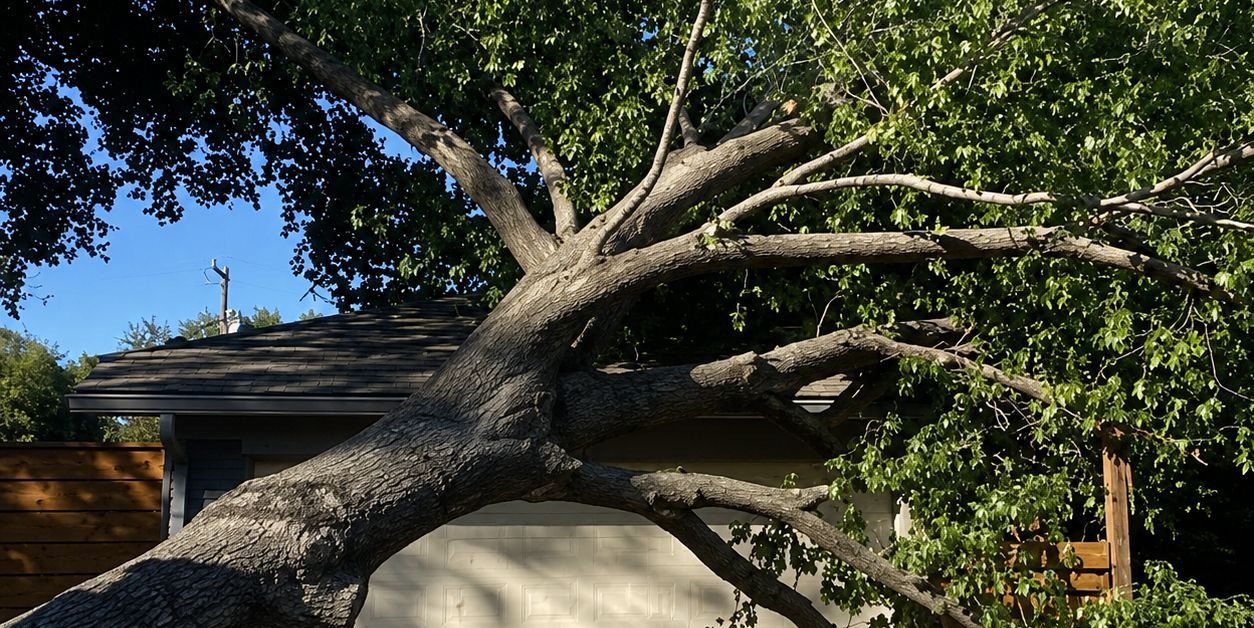
As a tree dies, its wood can become increasingly brittle and vulnerable to decay, insects, disease, and structural failure. Eventually, branches or the entire tree can fall unexpectedly, especially during severe weather. Promptly having a dead tree professionally evaluated and removed when necessary can help protect your property and the people on it. At AZ Desert Tree Care, we can identify dead trees and safely remove them. Here are four reasons to promptly remove dead trees. Protect Your Home and Property A dead tree can become a serious property hazard as its structural integrity continues to decline. A falling trunk or large branch can cause extensive damage to a roof, siding, vehicles, fences, and other structures. Removing the tree before it collapses can help prevent potentially expensive damage. A professional tree service can assess the tree's condition and determine the safest removal approach. Prevent Pests and Disease Dead and decaying trees can attract certain insects and other organisms that take advantage of weakened wood. Depending on the tree's condition, it may also harbor diseases that could affect other plants and trees nearby. Prompt removal can help reduce potential sources of pests and decay taking hold throughout your landscape. A tree professional can also advise you about whether additional measures are appropriate after removal. Prevent Emergency Removal Problems Waiting until a dead tree falls can make removal more complicated and potentially more expensive. A tree that collapses unexpectedly may land on structures, become tangled in utility lines, or block driveways and access areas. Emergency situations can also leave you dealing with cleanup and property repairs at the same time. Scheduling professional removal proactively allows the work to be planned around the tree's location and condition. Reduce the Risk of Falling Branches Dead branches can become brittle and lose their structural strength over time. Large limbs may break without warning and fall onto roofs, vehicles, fences, or areas where people spend time. Removing a dead tree eliminates the ongoing risk associated with its deteriorating branches. Tree Removal in Phoenix, AZ When you need an experienced arborist in Phoenix and the surrounding area, contact AZ Desert Tree Care at 602-842-9350 . Feel free to give us a call to ask for an arborist estimate in greater Phoenix, AZ !
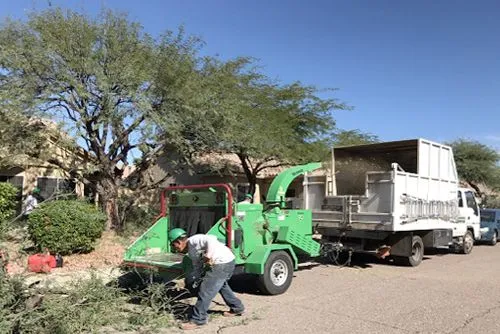
At AZ Desert Tree Care, our local arborists strive to earn our clients’ complete satisfaction by providing exceptional tree services at fair rates. No matter how big or small the job, our team will work efficiently to complete the job to the highest standards. And we’re grateful when our clients offer feedback about their experiences with us. Here’s a look at some of our recent reviews. “Juan and his crew were excellent! Great communication, fantastic trimming efforts, and wonderful cleanup. Pricing was also very reasonable and affordable. Highly recommend this company.” — Jim G. “Juan and team did a great job. Our tree looks amazing and everyone was very professional. Highly recommend.” — Mike B. “Arizona Desert Tree Care is top notch! I have used them now for a few years and they always do a great job and clean up perfectly! Thank you Steven and all the other guys for working so hard! Trees look really good and balanced! So glad I got these done before the monsoons hit. We have over 15 Mesquites that drop a lot of bean pods… So glad they’re going to be less bean pods this year!” — Kathy G. “My experience with AZ Desert Tree Care was 10/10 from the beginning. Truly knowledgeable and professional from the estimation process through clean up. They trimmed 3 large trees, 2 Palo Breas and a Mesquite, removed a tree in the backyard that was overhanging our pool, and fertilized all of our large trees. If not for the missing and trimmed trees you wouldn't even know they had been here. Cannot recommend them highly enough, best tree care in AZ!” — Jeff C. “Great experience. From the woman who manages the office to the arborist to the 6-man work crew, all totally professional. Reasonable prices too. My highest recommendation.” — Jeff W. Arborist in Phoenix, AZ For an experienced arborist in Phoenix and the surrounding area, contact AZ Desert Tree Care at 602-842-9350 . We provide expertise with both residential and commercial tree care in Phoenix. Feel free to give us a call to arrange an arborist estimate in greater Phoenix, AZ!